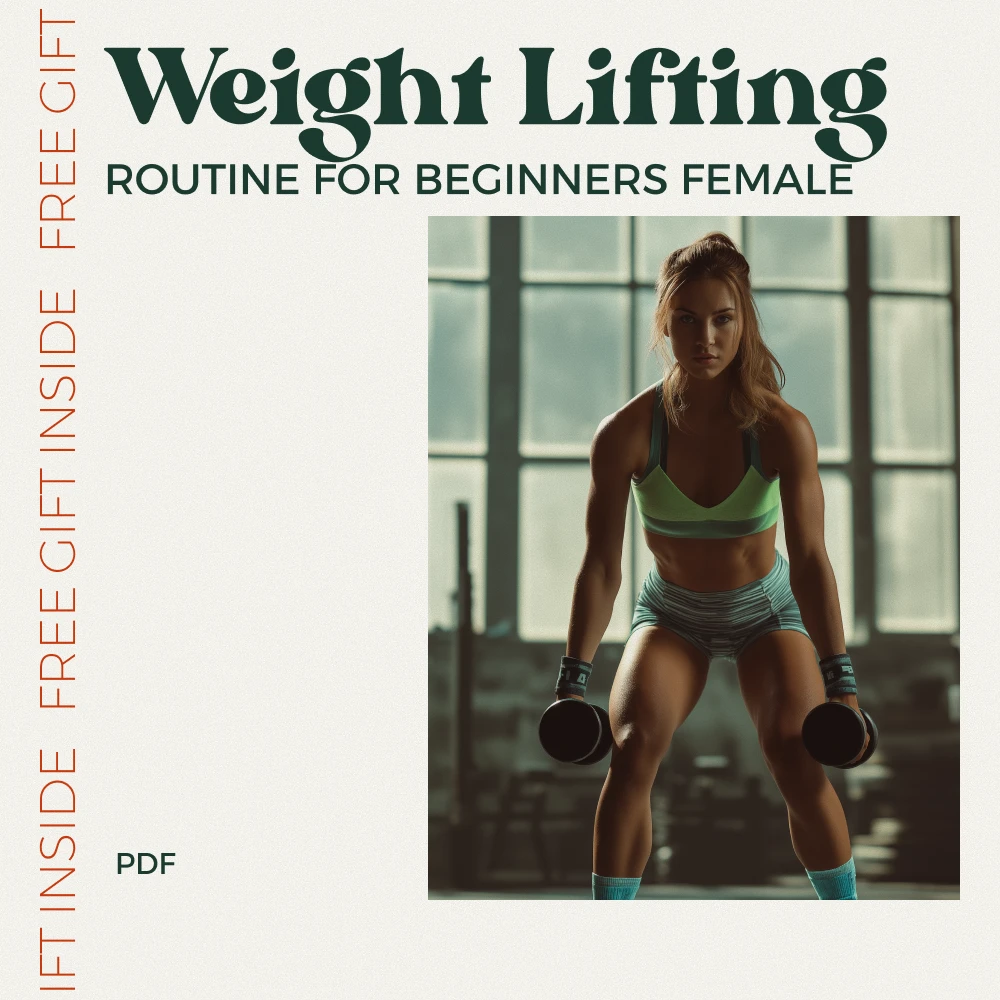
Beginner’s Lifting Checklist for Women: Start Strong
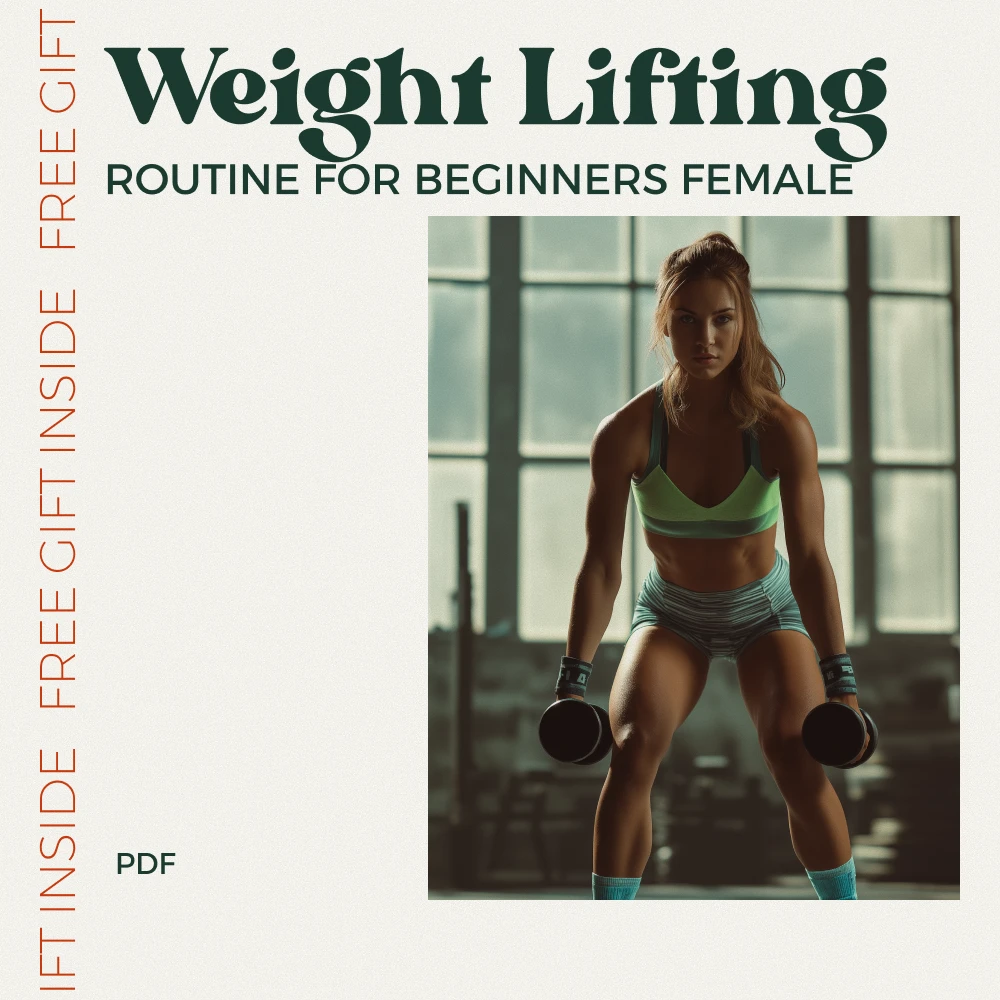
Strength training is a skill you can build through manageable practice. Our printable Beginner’s Lifting Checklist for Women is a starter guide to keep alongside your routine as you find a schedule that works for you.
Choose a clear space and equipment you can control. Bodyweight, resistance bands or light dumbbells can all work. Keep water nearby, warm up with a few minutes of easy movement, and practice each exercise without added weight first.
Two strength sessions on nonconsecutive days are a practical place to start. For example, you might lift on Monday and Thursday, leaving time to recover between workouts. The Physical Activity Guidelines for Americans recommend muscle-strengthening activities on at least two days a week for adults.
A full-body session can include five basic patterns: squat, hip hinge, push, pull, and core work. The table below is an adaptable example, not a list of exercises included in our printable guide. Start with one set of each movement; add a second set when you feel ready and can maintain control.
Example beginner full-body session
| Movement | Example | Starting target |
|---|---|---|
| Squat | Bodyweight chair squat | 1–2 sets of 8–12 repetitions |
| Hip hinge | Light dumbbell Romanian deadlift | 1–2 sets of 8–12 repetitions |
| Push | Wall or countertop push-up | 1–2 sets of 8–12 repetitions |
| Pull | Supported dumbbell row | 1–2 sets of 8–12 repetitions per side |
| Core | Bird dog | 1–2 sets of 6–10 repetitions per side |
For a chair squat, sit back toward a stable chair and stand again. For the hip hinge, move your hips back with soft knees and keep the weights close to your legs. Choose a sturdy support for the row and a stable surface for push-ups. With bird dogs, extend the opposite arm and leg while keeping your torso steady.
You can adjust the repetition target or substitute a comfortable variation. The goal is to practice movements you can control, rather than rush through a set.
Featured in this guide
the-beginners-lifting-checklist-for-women-weight-lifting-routine-for-beginners-female-printable-strength-training-starter-guide
There’s no universal starting weight. Choose a load that lets you complete your planned repetitions with control, while making the last few feel challenging. If your technique slips, reduce the weight or stop the set and rest.
Rest as needed between sets. Once the top of your repetition range feels manageable with good form across several sessions, consider a small increase in weight and work back up through the range. Repeating a weight while your movement becomes steadier is progress, too.
Check the product’s listed specifications when evaluating choose a weight and progress gradually.
Keep your printable starter guide somewhere easy to reference, whether that’s near your equipment or with your weekly planner. If you like tracking your progress, use a separate notebook to record the exercises, repetitions, weights, and how challenging each set felt.
Stop an exercise if it causes pain. If you’re managing an injury or health condition, or you’re uncertain about your technique, seek guidance from a qualified professional. The National Heart, Lung, and Blood Institute’s guide to getting active also offers practical starting advice.
On days between lifting sessions, choose movement you enjoy without treating it as a requirement to do more. If gentle stretching or yoga appeals to you, our Yoga for Complete Beginners Roadmap is another resource to explore.
Our team offers the printable starter guide as an accessible resource to keep alongside your beginner routine.
Ready to begin? Select two nonconsecutive days, prepare your equipment, and start with movements that feel manageable. You can build from there, one session at a time.
Check the product’s listed specifications when evaluating explore the beginner’s lifting checklist for women.
Choose a weight that allows controlled form for your planned repetitions, with the final few feeling challenging. Start lighter while learning and increase gradually.
There is no single universally accepted 3-3-3 rule for weightlifting; the term can refer to different workout structures. Beginners can start with a simple full-body routine rather than relying on a numbered rule.
For a new exercise, try the movement without added weight first, then test a light pair of dumbbells or a light resistance setting for about 8 to 12 repetitions. Your starting weight is reasonable if you can move through a comfortable range of motion without swinging, holding your breath, or losing your balance, while the last few reps feel more challenging than the first few.
You can start strength training at nearly any age, as long as the exercises and amount of weight match your experience, physical development, and health. Girls can begin learning basic strength movements during childhood, while teens and adults can start whenever they are ready to practice good technique and build gradually.




Leave a comment