20% off on product page · save $1.50
How Healthy Is Orange Juice? A Smart Sipping Checklist
Orange juice provides vitamin C and other nutrients, including potassium and folate. A whole orange offers those nutrients too, along with more fiber. That makes whole fruit a useful choice when you want the benefits of the fruit in a more filling form.
Even 100% orange juice contains naturally occurring sugars. A modest serving can be easier to fit into a balanced diet than a large, unmeasured glass. There is no need to treat juice as an all-or-nothing choice: you can enjoy it sometimes while making room for water, whole fruit, and other foods you like.
Our orange juice sipping checklist is for readers who want to approach juice choices with intention. Start with a few habits you can adapt to your day:
Featured in this guide
the-bright-side-of-orange-juice-sipping-checklist-how-healthy-is-orange-juice-guide-smart-juice-routine
Start with the percentage of juice. A 100% juice differs from a fruit-flavored drink or a blend containing a smaller proportion of juice. Check the ingredient list if you want to know which fruits are included.
On the Nutrition Facts panel, look at serving size before comparing total and added sugars. If two products use different serving sizes, adjust your comparison to similar quantities. Remember that even juice with no added sugar contains naturally occurring sugar.
Unpasteurized juice can carry harmful bacteria. Children, older adults, pregnant people, and people with weakened immune systems are at greater risk of serious foodborne illness and should choose pasteurized juice.
If you manage blood glucose or have another dietary concern, ask a qualified clinician or registered dietitian for advice tailored to you. They can help you consider portions and timing within your overall eating pattern.
If you are also looking for a gentle way to build movement into your day, explore our yoga for complete beginners roadmap .
Check the product’s listed specifications when evaluating choose safely and make the routine your own.
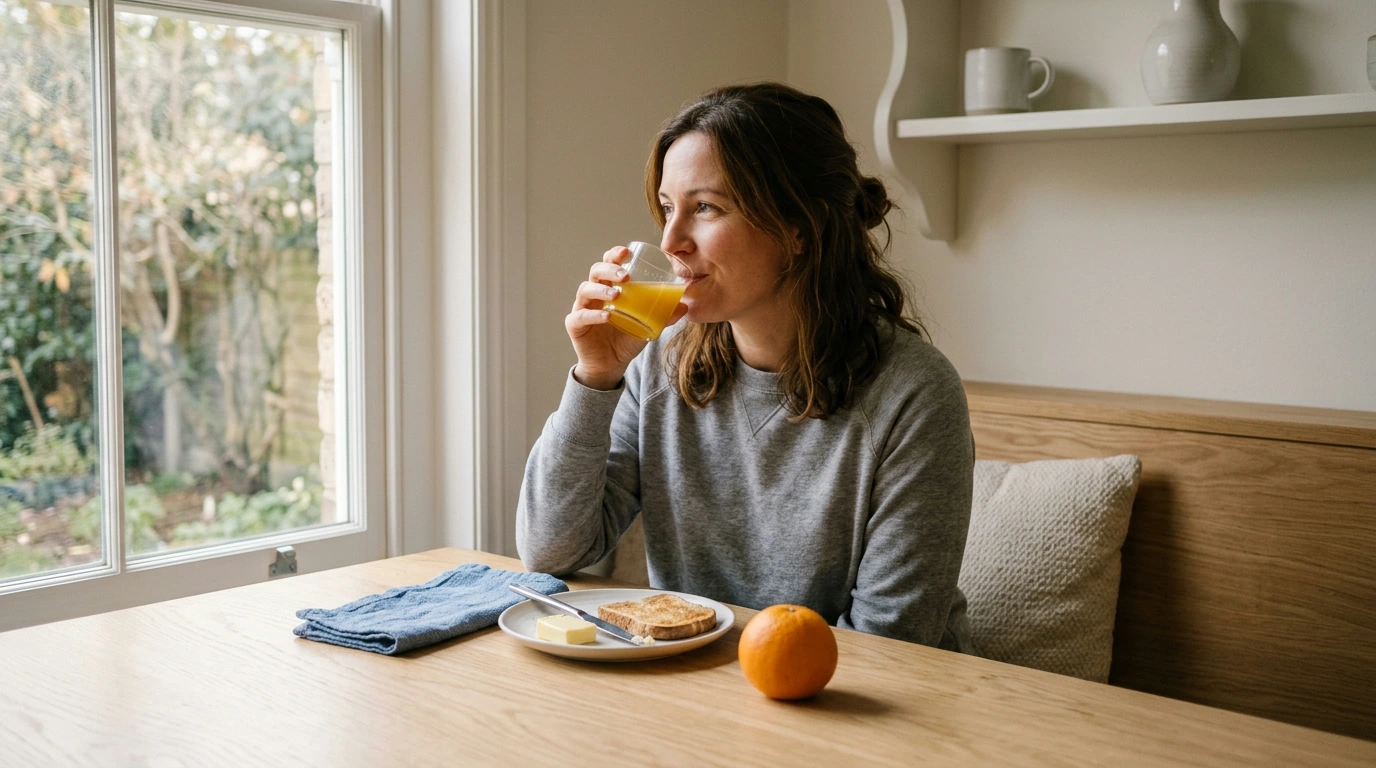
A practical starting point might be a small glass of 100% orange juice with breakfast on some days and a whole orange on others. Keep water available, and adjust the pattern to what you enjoy and what fits your meals. You do not need an identical routine every morning for your choices to be thoughtful.
Individual needs vary. They can help you consider portions and timing in the context of your overall eating pattern.
Compare related options such as drop-it-training-checklist-how-to-teach-dog-to-drop-it-step-by-step-guide-for-calm-reliable-training-everyday-safety-skills to match features, dimensions, and use case before choosing.
Before choosing, compare the product details with your daily routine, available space, care needs, and preferred setup. The strongest option is usually the one that fits the intended use clearly and remains simple to clean, store, and check before repeat use.
There is no single best brand for everyone. Compare labels for 100% juice without added sugars, and take the serving size into account.
There is no universal winner. A modest serving of 100% fruit or vegetable juice can fit into a balanced diet, while whole produce generally provides more fiber.
Cold-pressed juice can provide nutrients, but the pressing method alone does not make it healthier than other juice. Check the ingredients and serving size, and remember that unpasteurized juice can carry food-safety risks.
There is no definitive top 10 because nutritional needs and preferences vary. Compare 100% fruit or vegetable juices by ingredients, added sugars, and serving size, and include whole produce for fiber.




Leave a comment