When Should Females Start Lifting Weights? A Beginner Guide
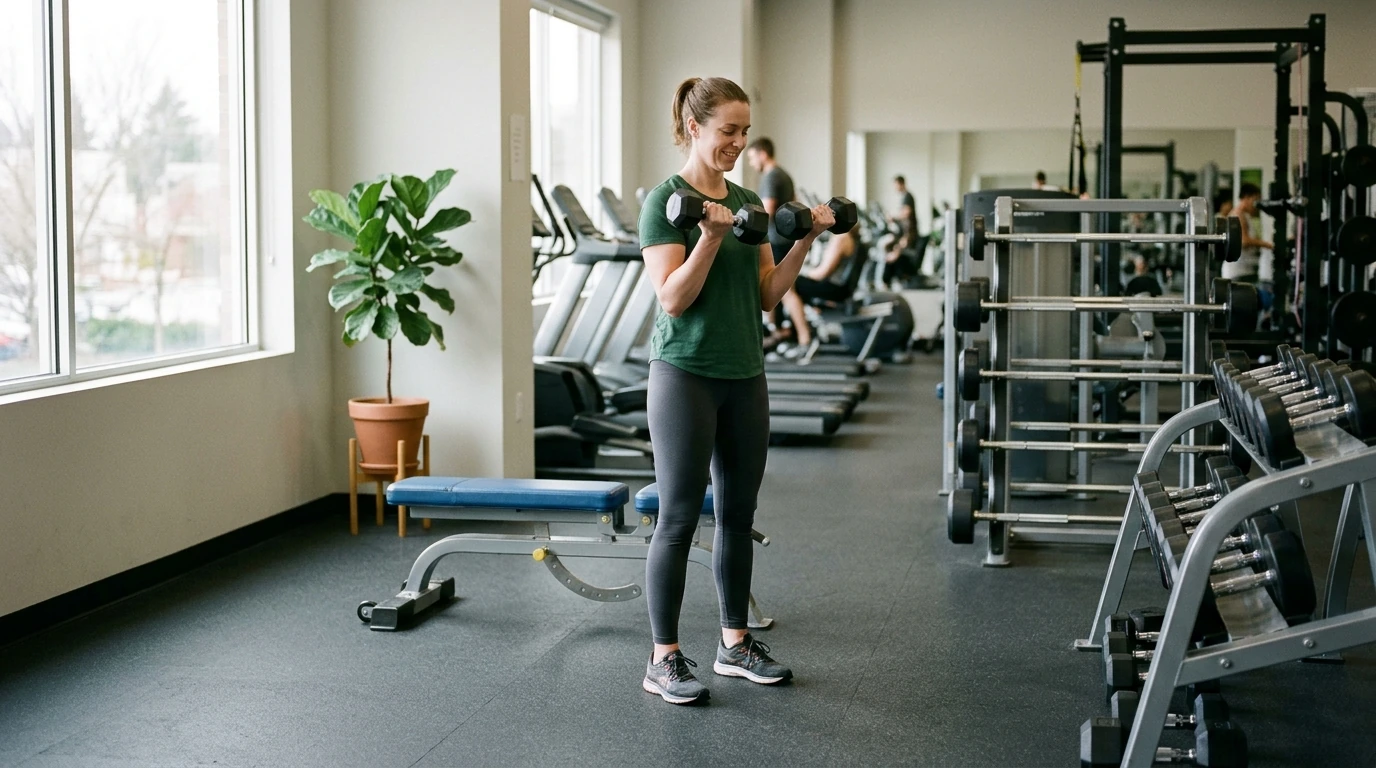
You can start strength training at nearly any age, as long as the exercises and amount of weight match your experience, physical development, and health. Girls can begin learning basic strength movements during childhood, while teens and adults can start whenever they are ready to practice good technique and build gradually.
There is no need to wait until you reach a particular weight or fitness level: beginners can start with bodyweight exercises, resistance bands, or light weights. If you are pregnant, recovering from an injury, or managing a medical condition, ask a qualified healthcare professional about any adjustments you may need before starting.
Check the product’s listed specifications when evaluating when can you start lifting weights.
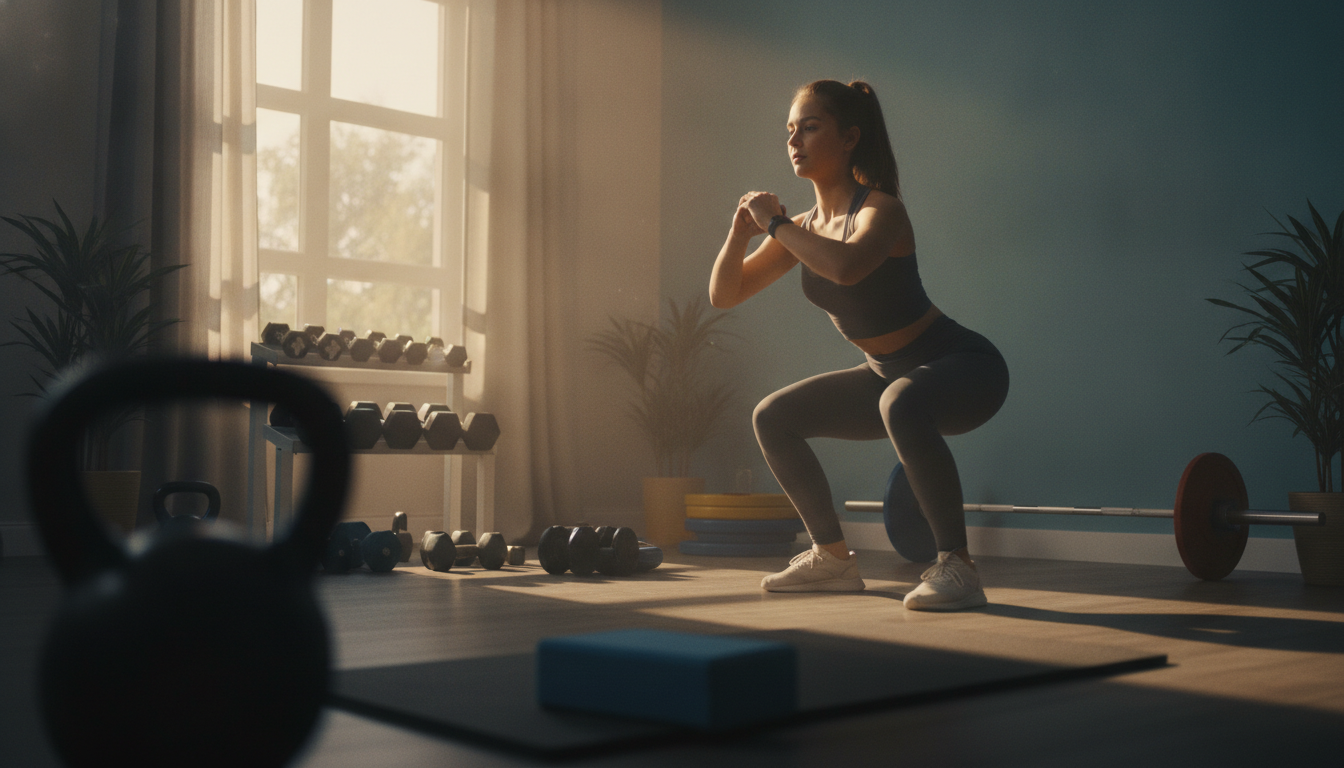
For children and younger teens, the priority is learning controlled movements under the supervision of a qualified adult, not testing how much weight they can lift. Exercises such as squats, step-ups, and modified push-ups can introduce foundational skills before adding resistance.
Once a young person can perform an exercise with good form, light resistance can be added gradually while keeping the movements comfortable and controlled. A coach or fitness professional experienced with youth training can help choose appropriate exercises and recognize when it is time to rest.
Featured in this guide
the-beginners-lifting-checklist-for-women-weight-lifting-routine-for-beginners-female-printable-strength-training-starter-guide
We suggest beginning with two full-body sessions per week, leaving at least a day between them, and practicing movements such as squats, hinges, pushes, and pulls. Choose a resistance that lets you complete each repetition with control, and stop the set when your form starts to break down.
Start with one or two sets of each exercise, then increase the weight or number of sets gradually as the routine becomes manageable. Our team’s featured product, The Beginners Lifting Checklist for Women , is a printable strength-training starter guide you can consider alongside your beginner routine.
Some muscle soreness can occur when you try a new exercise, but sharp pain, dizziness, or pain that worsens during a movement is a reason to stop and seek appropriate advice. Warm up with a few minutes of easy movement, practice each exercise through a comfortable range of motion, and give yourself time to recover between sessions.
Consistency matters more than starting with heavy weights, so choose a schedule you can maintain and focus on learning one movement at a time. For more on getting started, read our guide to when females should start lifting weights.
Check the product’s listed specifications when evaluating what should you expect as you build a routine.
The term “3-3-3 rule” can refer to different workout structures, so its meaning depends on the program using it. Rather than following a rule by name, choose a plan with exercises, resistance, and recovery time suited to your experience.
Lifting weights can support a fitness routine that helps with overall fat loss, but it cannot target fat loss from your belly alone. Changes in body fat depend on several factors, including your eating habits, activity, sleep, and individual circumstances.




Leave a comment