
25% off on product page · save $3.00
Why Is My Dog Not Interested in Fetch? Reasons and Tips

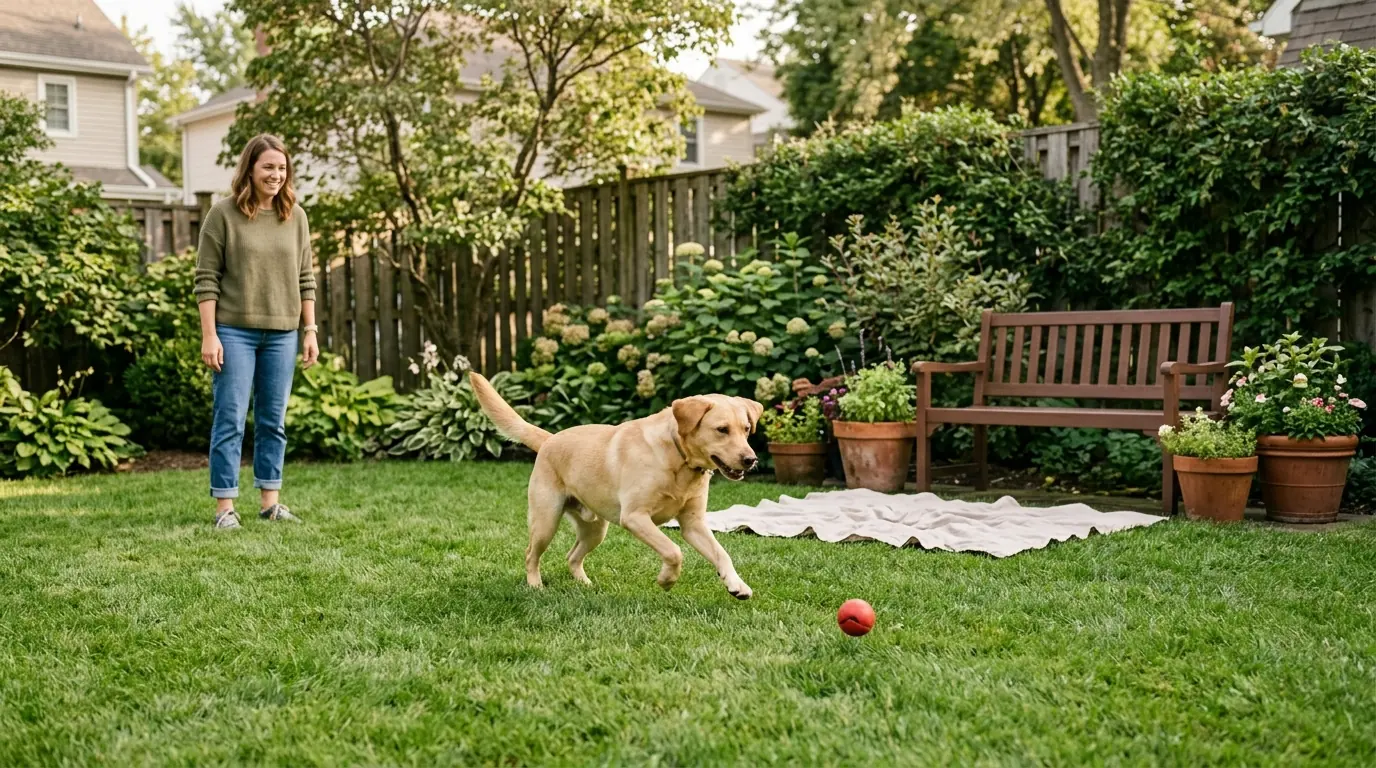
Your dog may simply prefer sniffing, tugging, chasing without returning, or exploring with you rather than retrieving a toy. Dogs have different play preferences, and a lack of interest in fetch does not necessarily mean your dog is unhappy or poorly trained.
Check the product’s listed specifications when evaluating fetch may not match your dog’s interests.
Fetch asks your dog to notice a toy, chase it, pick it up, return to you, and release it, so an uninterested dog may not understand one or more parts of the sequence. A toy that is too large, uncomfortable to carry, or less interesting than the surroundings can also make the game seem less worthwhile than sniffing the grass or watching other dogs.
Check the product’s listed specifications when evaluating the game may be confusing or unrewarding.
Featured in this guide
helping-your-dog-love-fetch-in-balance-digital-guide-for-understanding-and-managing-obsessive-fetch-behavior-what-to-do-when-fetch-becomes-obsessive-dog-training-ebook
Heat, fatigue, slippery ground, distractions, or a stressful setting can make a dog less willing to run after a toy, even when the dog enjoys playing elsewhere. If your dog suddenly loses interest in a favorite game, seems stiff, limps, or shows other signs of discomfort, pause play and consult your veterinarian.
Check the product’s listed specifications when evaluating comfort and environment matter.
We suggest starting in a quiet area with a toy your dog already likes, moving it gently to spark interest, and rewarding any voluntary attention or interaction before trying a short toss. Keep sessions brief, let your dog stop when they choose, and enjoy another activity together if retrieving never becomes their favorite game.
Check the product’s listed specifications when evaluating invite play without pressure.
If your dog does learn to enjoy retrieving, vary play with walks, sniffing, rest, and other activities rather than relying on repeated throws alone. Our team’s digital guide, Helping Your Dog Love Fetch in Balance, focuses on understanding and managing obsessive fetch behavior; you can also read our article on helping your dog find balance when fetch becomes obsessive.
Check the product’s listed specifications when evaluating keep fetch in balance.
Your dog may prefer other activities, find the toy unappealing, or be unsure what you want them to do. A sudden change in enthusiasm, especially alongside stiffness or limping, is a reason to pause and speak with your veterinarian.


Leave a comment