25% off on product page · save $3.00
What Dogs Like to Play Fetch the Most?
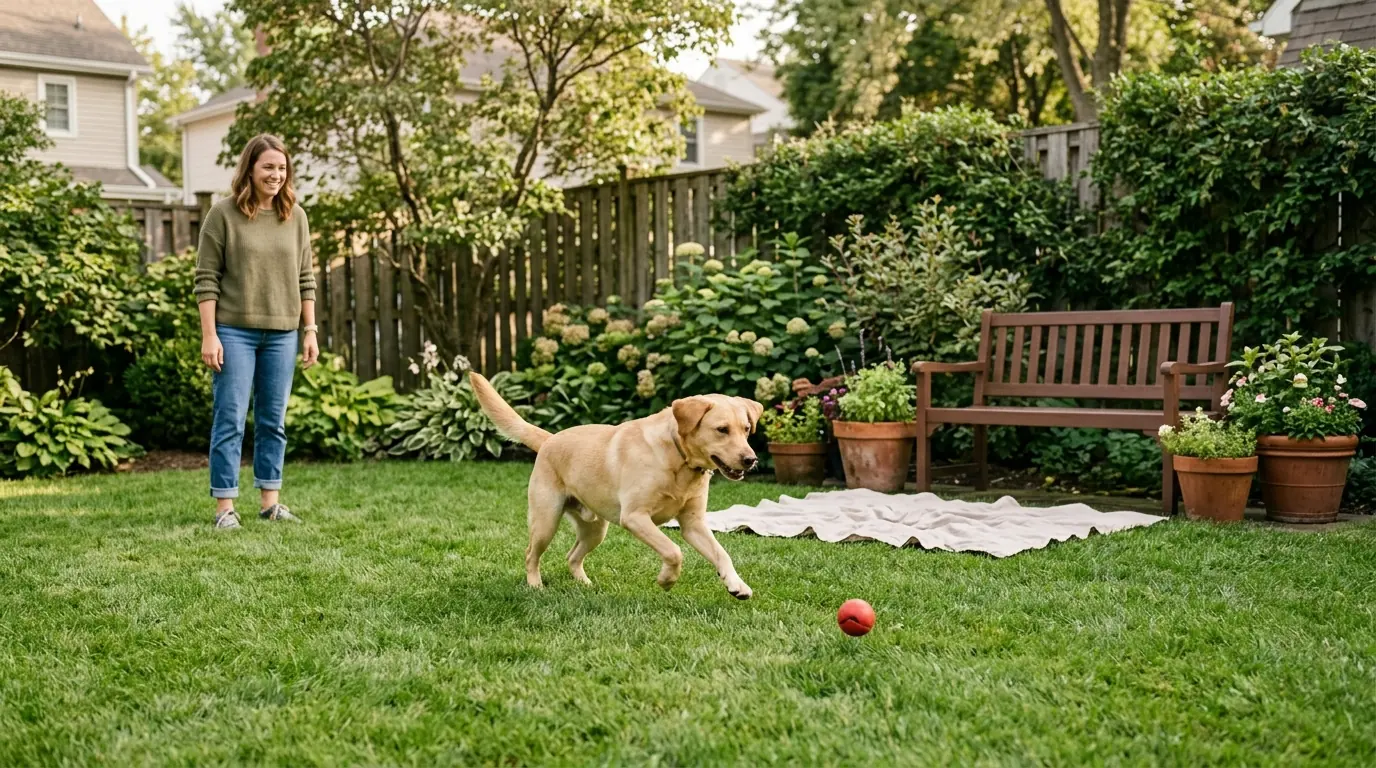
Labrador Retrievers and Golden Retrievers were developed to retrieve game, so many enjoy picking up a ball or toy and bringing it back to you. Chesapeake Bay Retrievers and Flat-Coated Retrievers may also relish retrieving, especially when play gives them room to move and a chance to work alongside you.
That said, retrieving instinct does not guarantee that every dog will return a toy or want to play for long. You can make the game appealing by choosing a toy your dog likes, starting with short throws, and rewarding the return with praise or another toss.
Check the product’s listed specifications when evaluating retrievers are natural fetch enthusiasts.

Border Collies, Australian Shepherds, and other herding dogs may be enthusiastic about chasing a moving toy, while sporting breeds such as English Springer Spaniels can also enjoy finding and carrying objects. These dogs often appreciate an active game, but some may prefer a search game or training exercise to repeated throws.
If your dog races after a toy but does not bring it back, try rolling it a short distance and encouraging your dog to return to you. Keep sessions brief enough that your dog can still respond to you and settle afterward, rather than assuming more throws are always better.
Featured in this guide
helping-your-dog-love-fetch-in-balance-digital-guide-for-understanding-and-managing-obsessive-fetch-behavior-what-to-do-when-fetch-becomes-obsessive-dog-training-ebook
Mixed-breed dogs, terriers, and many other dogs can be devoted fetch players, while an individual retriever may prefer sniffing, tugging, or simply carrying a toy. Watch what your dog chooses to do: an eager approach and relaxed return are more useful clues than a breed label alone.
Use a toy large enough that your dog cannot swallow it, and choose a safe, open area with footing suited to your dog’s movement. For puppies, older dogs, or dogs with mobility concerns, gentler rolls and shorter distances may be a better fit than repeated high-speed turns.
Some dogs find fetch so exciting that they struggle to stop, repeatedly demand throws, or have difficulty settling after play. Build in pauses, offer water, and alternate fetch with calmer activities such as sniffing or resting; if your dog seems distressed or cannot disengage, ask a qualified veterinarian or behavior professional for guidance.
Our digital guide, Helping Your Dog Love Fetch in Balance, focuses on understanding and managing obsessive fetch behavior. For more practical context, read our article on when fetch becomes obsessive.
Check the product’s listed specifications when evaluating keep enthusiasm in balance.
Labrador Retrievers and Golden Retrievers are often keen fetch players, as are many other retrievers and sporting dogs. Border Collies and Australian Shepherds may also love the chase, although individual preferences vary.




Leave a comment