25% off on product page · save $3.00
What Dog Breeds Don’t Play Fetch? A Guide to Play
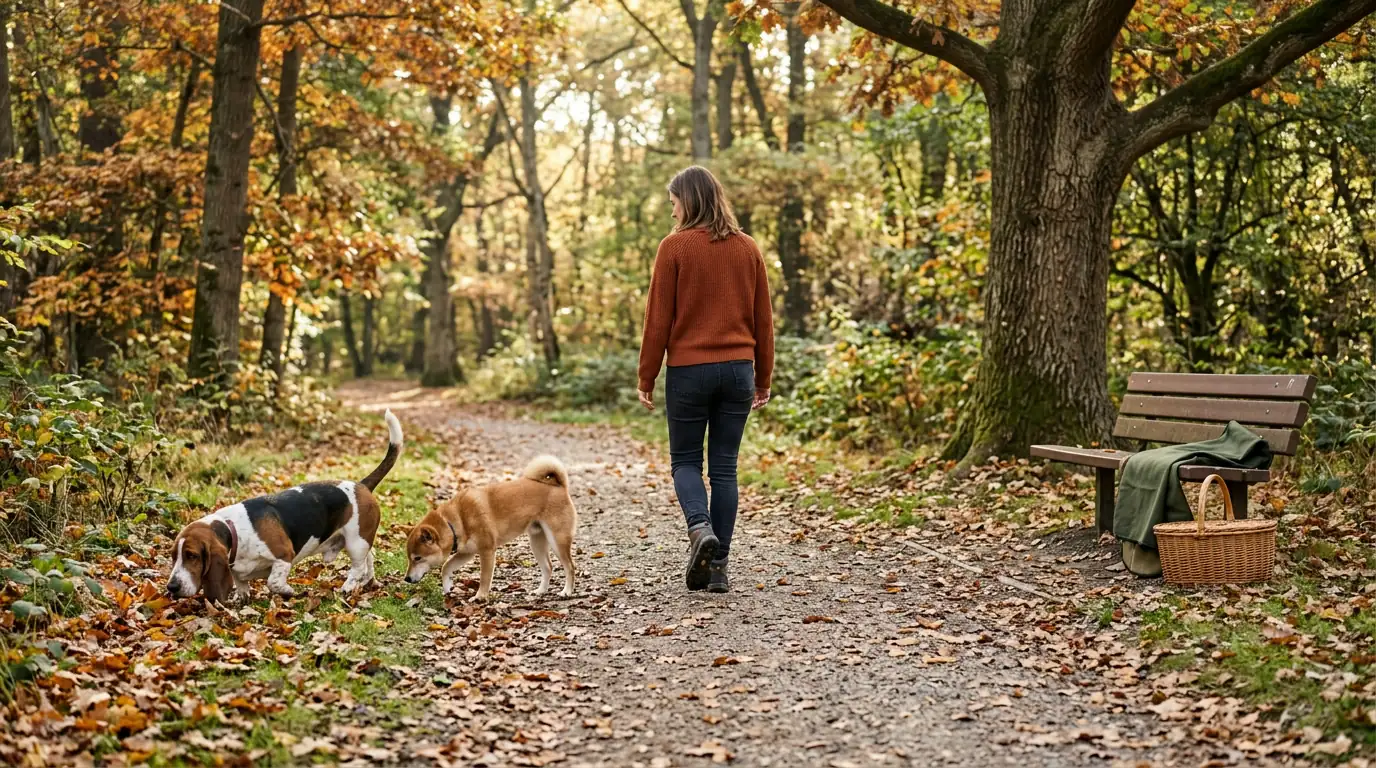
No dog breed is guaranteed to dislike fetch, but some dogs may be less interested in repeatedly chasing and returning a toy. Breeds often described as more independent, such as Afghan Hounds, Basenjis, and Shiba Inu, may prefer exploring, sniffing, or choosing their own games over bringing a ball back to you.
Check the product’s listed specifications when evaluating which breeds are less likely to play fetch.

Breed tendencies can shape play preferences: many retrievers were developed to carry objects, while scent hounds such as Beagles and Basset Hounds may find following a smell more rewarding than returning a toy. Individual personality matters just as much, though, so you might meet a Labrador who ignores balls or a Shiba Inu who happily retrieves one.
Check the product’s listed specifications when evaluating why do some dogs skip the ball.
Featured in this guide
helping-your-dog-love-fetch-in-balance-digital-guide-for-understanding-and-managing-obsessive-fetch-behavior-what-to-do-when-fetch-becomes-obsessive-dog-training-ebook
Offer a few low-pressure choices, such as a short tug game, a food-scattering search in the grass, or a walk with plenty of time to sniff, and notice which activity your dog willingly returns to. If you want to introduce fetch, start with a soft, appropriately sized toy, reward any interest in carrying it toward you, and stop before your dog loses interest rather than insisting on repeated throws.
Check the product’s listed specifications when evaluating how can you find a game your dog enjoys.
If your dog seems uncomfortable, reluctant to move, or suddenly loses interest in familiar activities, pause play and speak with your veterinarian, since discomfort can affect what your dog enjoys. At the other end of the spectrum, a dog who struggles to stop chasing may need calmer alternatives and a predictable end to the game; our guide to when fetch becomes obsessive explores this issue, and our team also offers the digital guide Helping Your Dog Love Fetch in Balance.
Check the product’s listed specifications when evaluating when should you change the game.
Some independent dogs and scent-driven hounds may be less enthusiastic about fetch, but preferences vary within every breed. If your dog walks away from the toy, try a sniffing game or another activity they choose to engage with instead.




Leave a comment