25% off on product page · save $3.00
How to Teach an Uninterested Dog to Fetch
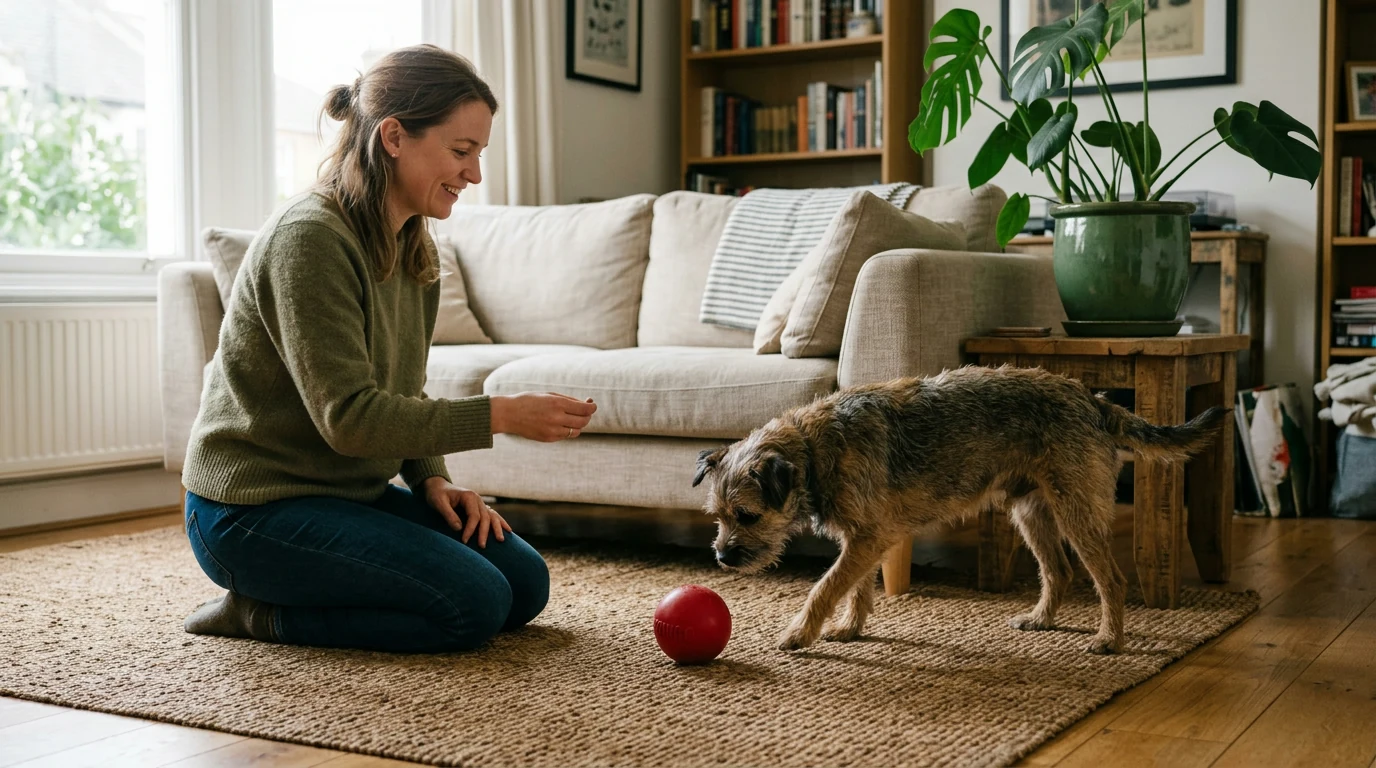
Try a few safe, dog-appropriate options, such as a soft toy, a lightweight ball, or a tug toy, and notice whether your dog prefers chasing, carrying, or gently mouthing one. Choose a quiet space with few distractions, and offer the toy without forcing it into your dog’s mouth; if your dog walks away, take a break and try another activity.
Check the product’s listed specifications when evaluating find a toy your dog enjoys.

Begin by rewarding your dog for looking at, approaching, or touching the toy, then gradually reward picking it up, using a small treat or praise that your dog finds motivating. Roll or toss the toy just a short distance once your dog is engaged, and celebrate any movement toward it instead of waiting for a perfect return.
Check the product’s listed specifications when evaluating reward small steps.
Featured in this guide
helping-your-dog-love-fetch-in-balance-digital-guide-for-understanding-and-managing-obsessive-fetch-behavior-what-to-do-when-fetch-becomes-obsessive-dog-training-ebook
When your dog picks up the toy, encourage them back with a cheerful voice or by moving a few steps away; reward them when they come toward you, even if they drop the toy along the way. Practice a separate “drop” cue by offering a treat in exchange for the toy, then give it back or start another round so releasing it does not always mean the fun is over.
Check the product’s listed specifications when evaluating make returning worthwhile.
Stop while your dog is still interested, and mix fetch with sniffing, walks, and other activities rather than repeating throws until your dog becomes overly fixated or tired. For more on recognizing and managing excessive fetch behavior, our team recommends our guide to helping your dog love fetch in balance, a digital guide focused on understanding obsessive fetch behavior.
Check the product’s listed specifications when evaluating keep fetch in balance.




Leave a comment