25% off on product page · save $3.00
How to Get Your Dog to Enjoy Playing Fetch
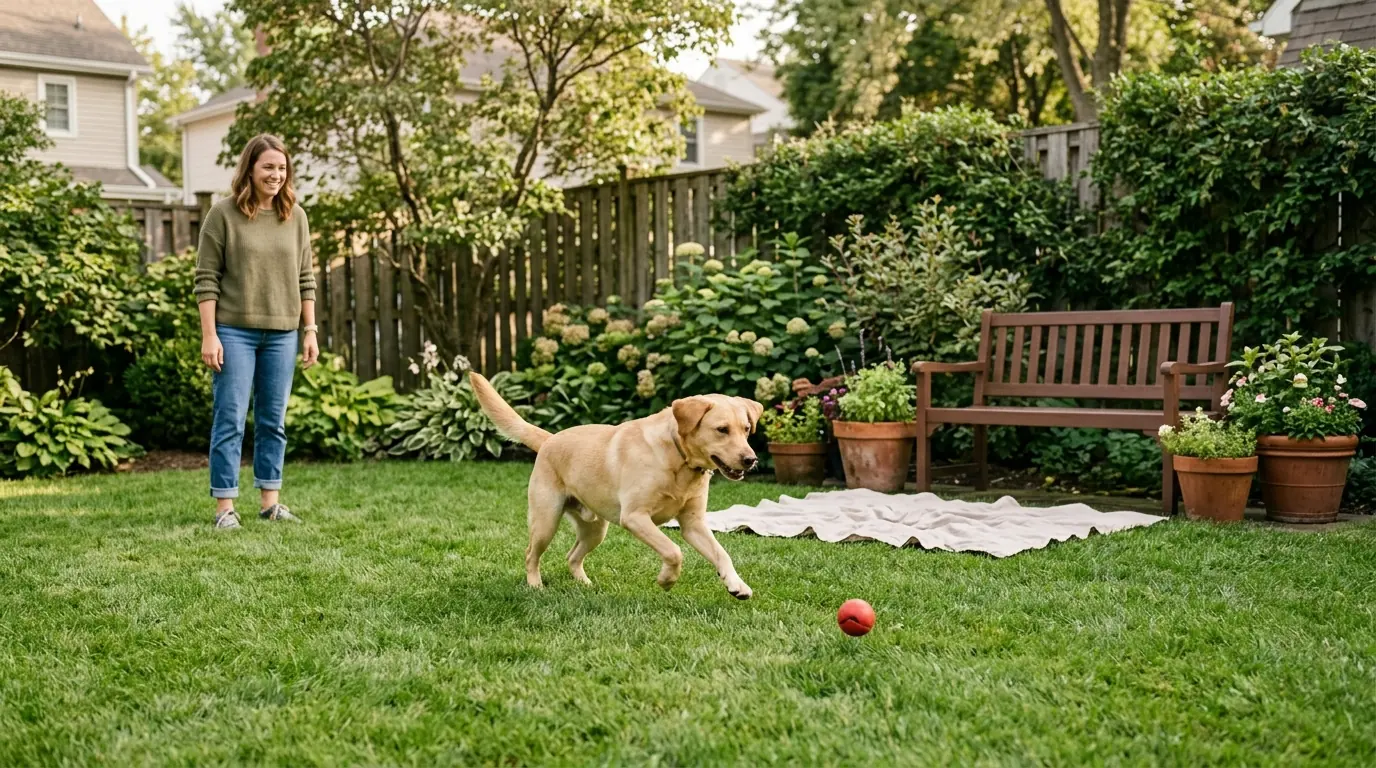
Choose a toy your dog already likes to carry or chase, such as a soft tug toy or a ball sized appropriately for their mouth, and begin in a quiet, familiar space with few distractions. Let your dog sniff and investigate it, then move it gently along the floor or toss it a short distance to see whether it sparks their interest.
Check the product’s listed specifications when evaluating start with a toy your dog enjoys.
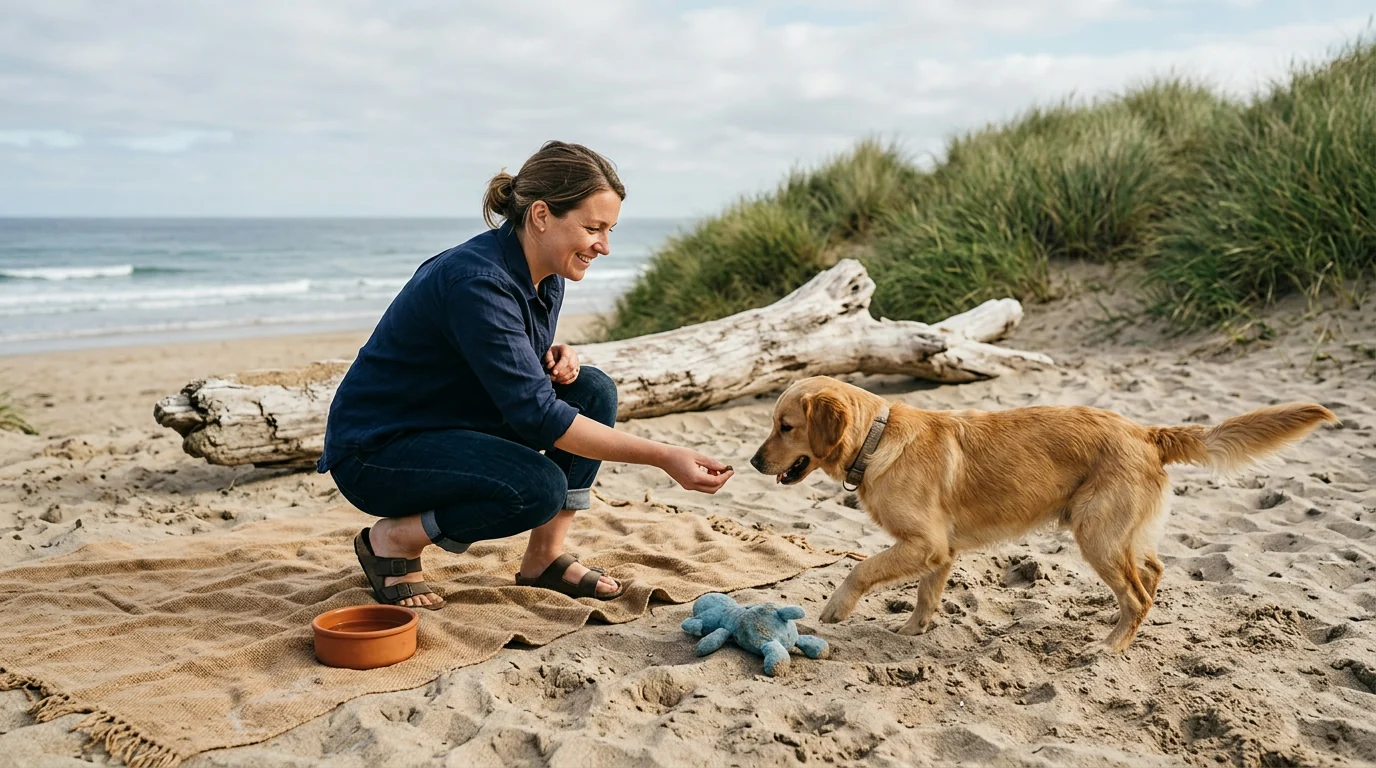
Instead of expecting a complete fetch right away, praise or reward your dog for looking at the toy, moving toward it, touching it, or picking it up, building gradually on whichever step they offer. When your dog approaches you with the toy, offer a treat or another toy in exchange, then return the toy or start another short round so bringing it back feels worthwhile.
Check the product’s listed specifications when evaluating reward small steps.
Featured in this guide
helping-your-dog-love-fetch-in-balance-digital-guide-for-understanding-and-managing-obsessive-fetch-behavior-what-to-do-when-fetch-becomes-obsessive-dog-training-ebook
Keep early tosses short, use an upbeat voice, and try moving away from your dog or crouching down to encourage them to come back without chasing or grabbing at them. Practice for just a few minutes at a time, stop while your dog is still interested, and take a break if they wander away, seem frustrated, or would rather play something else.
Some dogs prefer sniffing, tugging, or exploring to retrieving, so you can experiment with different activities rather than treating fetch as a skill every dog must enjoy. If your dog has trouble settling after play or seems fixated on repeated throws, our digital guide to understanding and managing obsessive fetch behavior offers a place to explore a more balanced approach; our team also recommends asking your veterinarian or a qualified trainer for help when the behavior is concerning.
Check the product’s listed specifications when evaluating keep fetch in balance.
Your dog may prefer other kinds of play, find the toy uninteresting, or feel unsure about bringing it back. Try a different toy and reward small steps, but let your dog choose another activity if fetch does not appeal to them.
You can teach the steps of fetch with short sessions, appealing toys, and rewards for approaching, picking up, and returning the toy. Training can make the game more inviting, but it is also fine if your dog prefers something else.


Leave a comment