25% off on product page · save $3.00
Can You Train a Dog to Like Fetch? A Gentle Guide
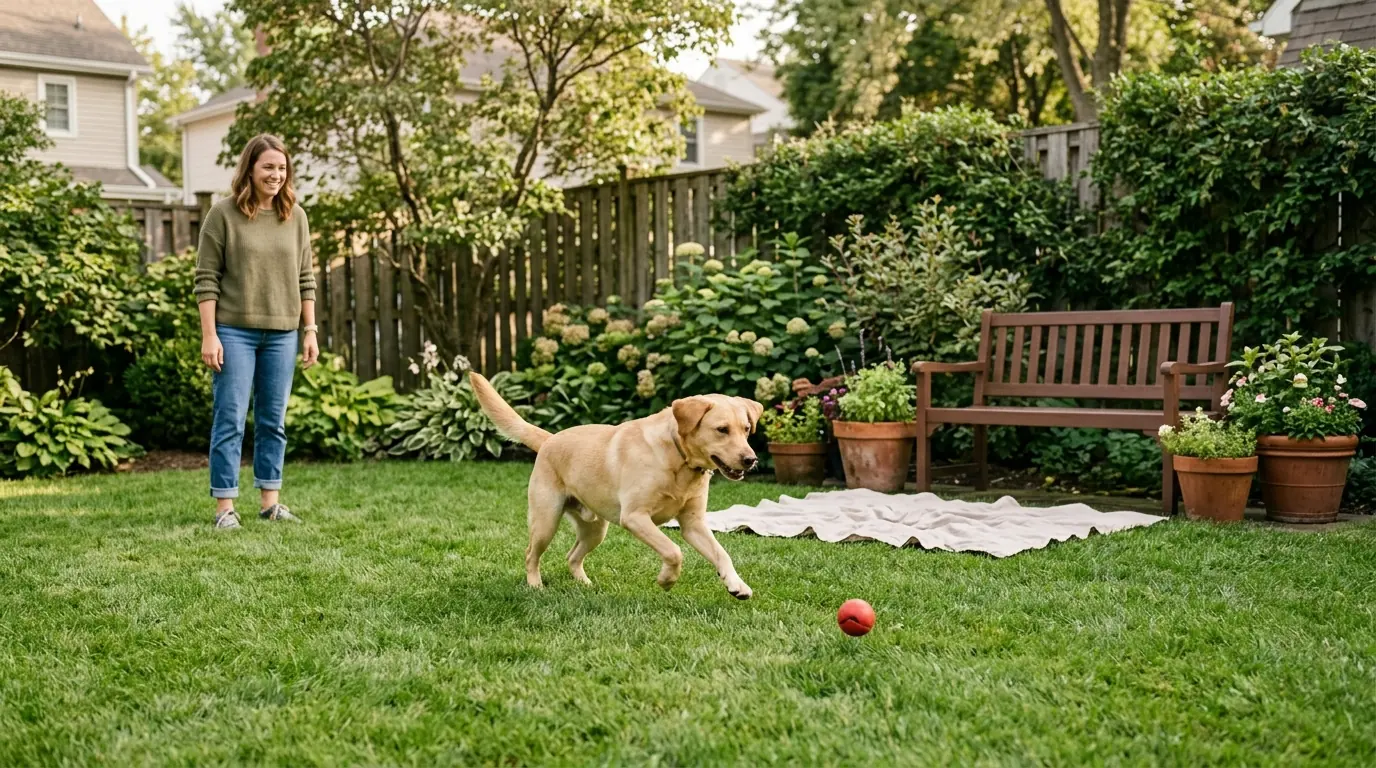
Choose a toy your dog already enjoys carrying, chasing, or sniffing, such as a soft toy or a ball that is easy for your dog to pick up. Play in a quiet, familiar space, and begin by moving the toy a short distance along the floor instead of throwing it across the yard.
When your dog investigates or picks up the toy, offer warm praise or a small treat to make the interaction rewarding. If your dog walks away, try another toy or activity later rather than repeatedly prompting, since a relaxed approach gives you a better sense of what your dog actually enjoys.
Check the product’s listed specifications when evaluating start with what your dog likes.

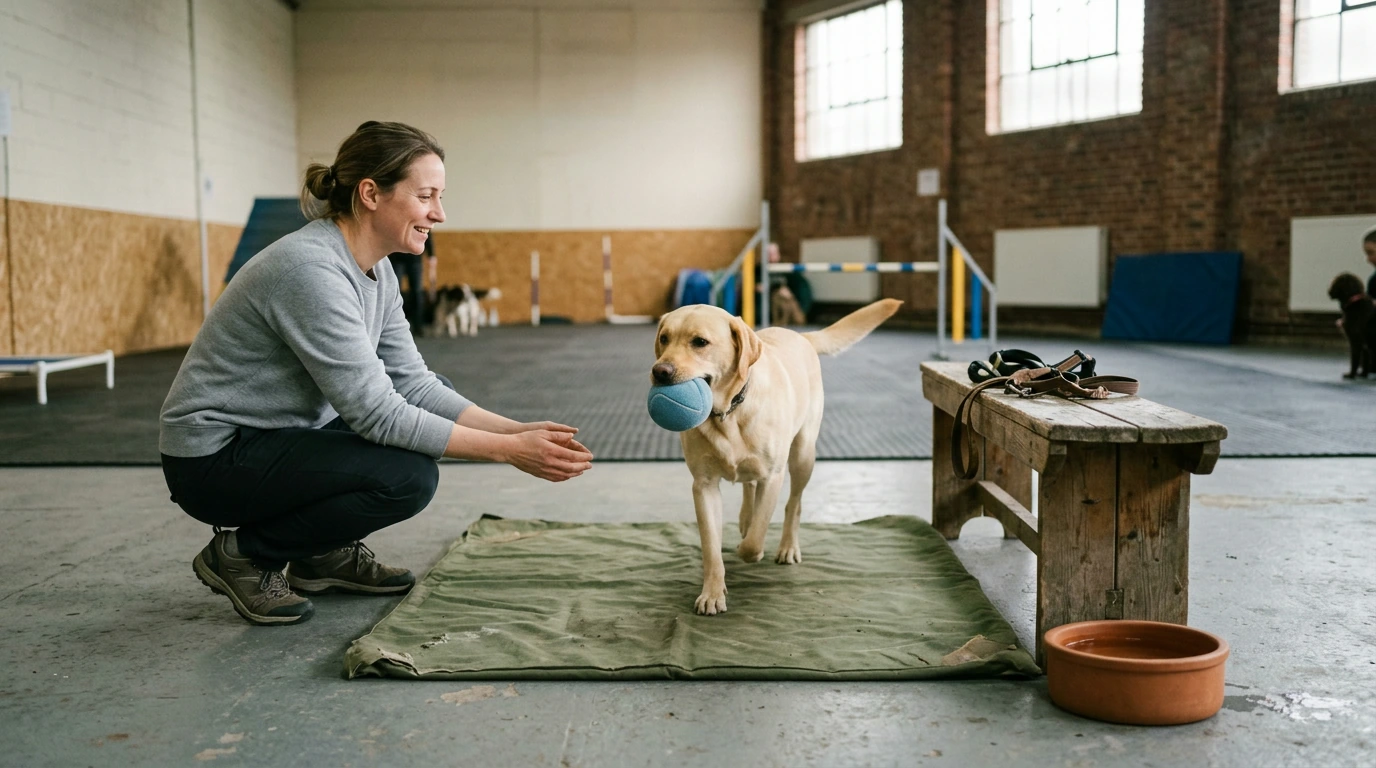
Once your dog will chase the toy, encourage a return by moving backward, using a cheerful voice, or offering a reward near you. Reward even a partial return at first, then gradually wait until your dog comes closer before giving the treat or restarting the game.
Teach a comfortable release by offering a treat in exchange for the toy and saying “drop it” as your dog lets go. Avoid pulling the toy from your dog’s mouth; a predictable trade helps keep the game cooperative and makes it easier to start another round.
Check the product’s listed specifications when evaluating build the return gradually.
Featured in this guide
helping-your-dog-love-fetch-in-balance-digital-guide-for-understanding-and-managing-obsessive-fetch-behavior-what-to-do-when-fetch-becomes-obsessive-dog-training-ebook
Use a toy sized for your dog that can be carried without being swallowed, and choose a clear playing area with secure footing. Keep sessions brief, provide water, and stop if your dog seems tired, uncomfortable, or reluctant to continue; a veterinarian can help you assess play options if your dog has pain or mobility concerns.
Some dogs become intensely focused on repeated throws, so include breaks and other enjoyable activities rather than relying on fetch alone. Our team’s digital guide, Helping Your Dog Love Fetch in Balance, discusses understanding and managing obsessive fetch behavior.
Some dogs prefer tug, scent games, or exploring on walks, and those activities can be just as useful for spending time together. You can experiment with different toys and rewards, but there is no need to keep training fetch if your dog consistently shows little interest.
A dog may enjoy chasing without wanting to bring a toy back, so you can adapt the game to fit rather than insisting on a perfect retrieve. If your dog struggles to stop playing or becomes distressed when the toy is put away, consider asking a veterinarian or qualified behavior professional for guidance.
Start with a toy your dog likes and reward any interest in chasing, picking up, or moving toward you with it. Keep sessions short and try another activity if your dog remains uninterested.
Retrievers are often associated with fetching, but individual preferences matter more than breed alone. A dog of any breed or mix may enjoy the game, while another may prefer a different way to play.



Leave a comment