25% off on product page · save $3.00
Which Dog Breed Is Best for Playing Fetch?
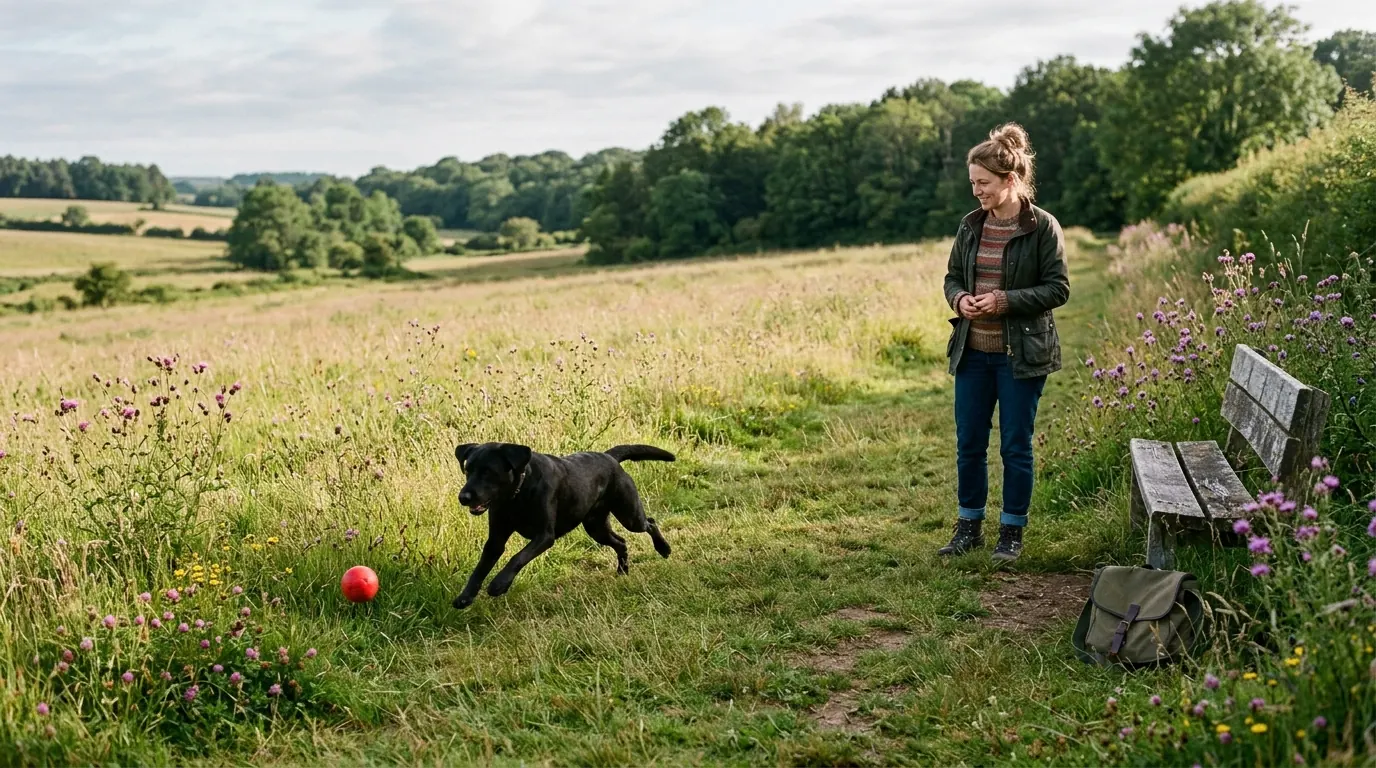
For many households, the Labrador Retriever is our top choice for fetch because Labs were bred to retrieve and often enjoy carrying toys back to their people. Their enthusiasm and trainability can make them a good fit for someone who wants a playful companion and is ready to provide regular exercise and training.
That said, the best fetch dog for you is an individual whose energy level, health, and interests match your routine. A Lab may be eager to chase a ball, but you should also plan for walks, rest, and other activities rather than relying on fetch alone.
Check the product’s listed specifications when evaluating our top pick: labrador retrievers.

Golden Retrievers are another popular choice: many enjoy retrieving and respond well to reward-based games, making them appealing to families who want an active dog. Poodles and German Shorthaired Pointers may also enjoy fetch, though their exercise and grooming needs can differ considerably.
Border Collies and Australian Shepherds can be enthusiastic ball players, but their drive and need for mental engagement may be more than some homes expect. When choosing a dog, consider the whole day you can offer—not just how much fun a breed might have chasing a toy.
Check the product’s listed specifications when evaluating other breeds that enjoy retrieving.

Featured in this guide
helping-your-dog-love-fetch-in-balance-digital-guide-for-understanding-and-managing-obsessive-fetch-behavior-what-to-do-when-fetch-becomes-obsessive-dog-training-ebook
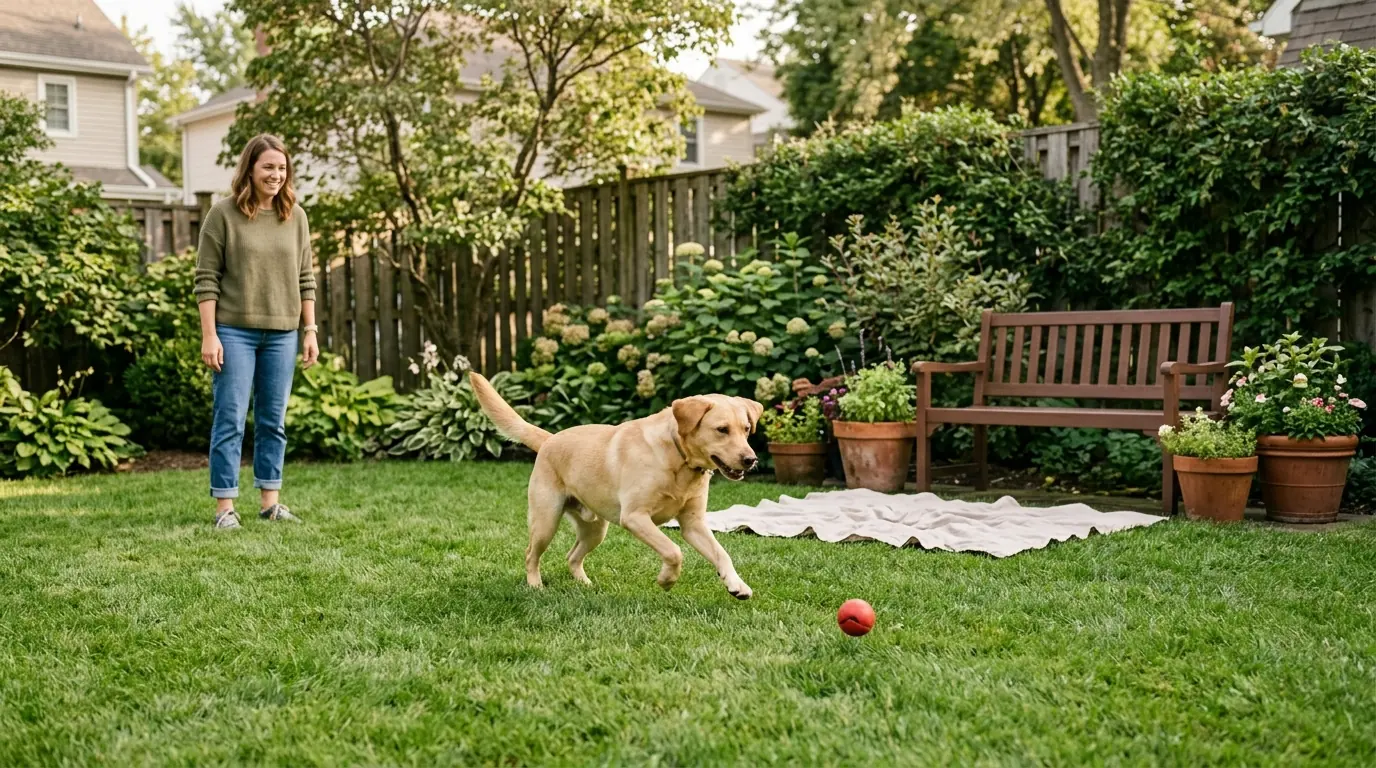
Start with a few short throws in a safe, enclosed space, using a toy large enough that your dog cannot swallow it and comfortable for your dog to carry. Reward your dog for returning, practice a relaxed “drop it,” and stop while the game is still fun rather than waiting until your dog is exhausted.
Take breaks for water and watch for signs such as heavy panting, limping, or difficulty settling after the game. If your dog becomes fixated on the ball or struggles to stop, our digital guide, Helping Your Dog Love Fetch in Balance, addresses obsessive fetch behavior, and our team offers more context in our article on finding balance with fetch.
Check the product’s listed specifications when evaluating how to keep fetch enjoyable.
Not every dog enjoys retrieving, and a dog who prefers sniffing or tug can be just as rewarding a companion. Puppies, seniors, and dogs with joint or breathing concerns may need gentler activities; ask your veterinarian what exercise suits your dog.
For a dog who loves fetch, mix it with relaxed walks, sniffing opportunities, and training so the ball is not the only source of excitement. Our recommendation is to choose a breed for its overall fit with your home, then adapt play to the individual dog you bring home.
Check the product’s listed specifications when evaluating match the game to your dog.
Labrador Retrievers and Golden Retrievers often enjoy fetch, as do many other retrieving and herding breeds. Individual preferences vary, so even a dog from a fetch-loving breed may prefer another game.


Leave a comment