25% off on product page · save $3.00
Why Is My Dog Obsessed With Fetch? Signs and Solutions
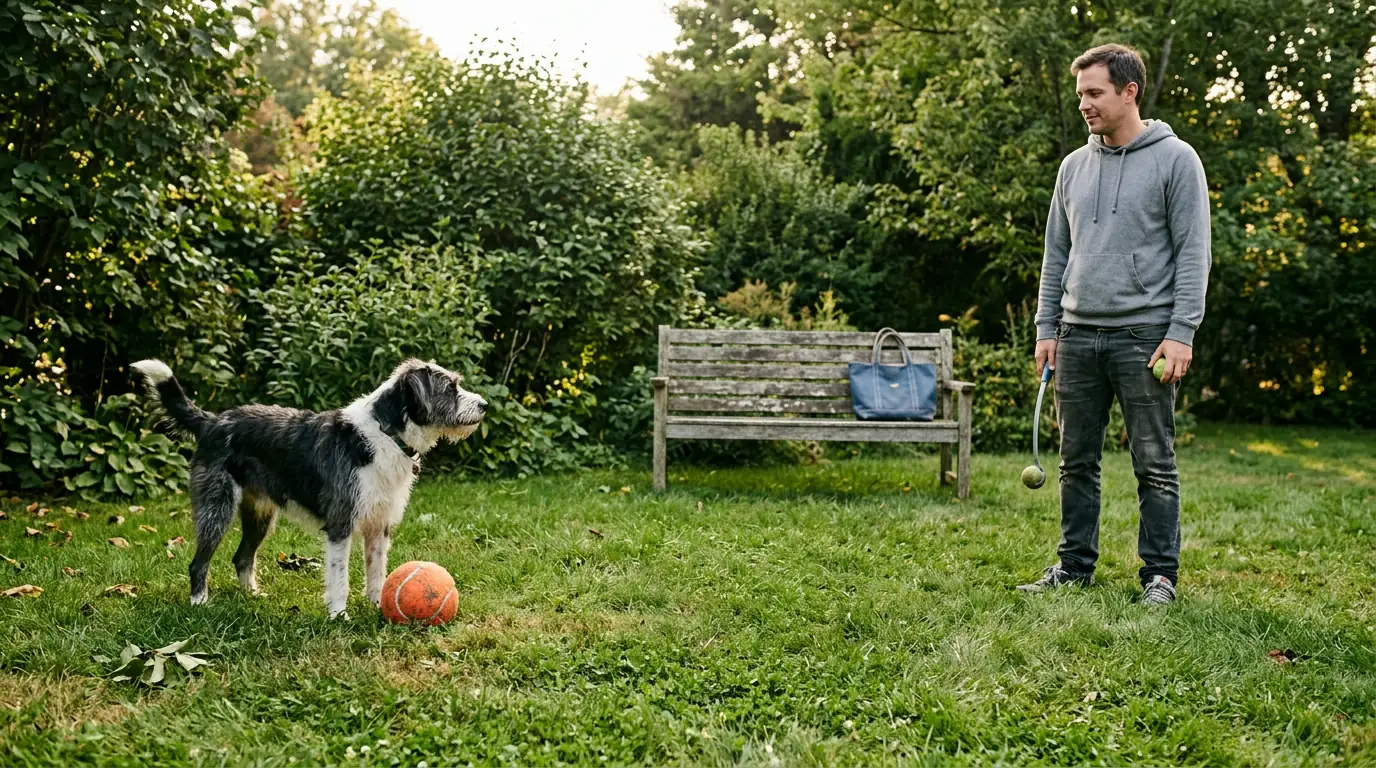
Fetch combines several things many dogs find exciting: chasing a moving object, carrying it back, and getting your attention before the next throw. If the game happens often and ends only when your dog is exhausted, your dog may learn to keep asking for more rather than settling down between rounds.
Check the product’s listed specifications when evaluating why fetch can become hard to stop.
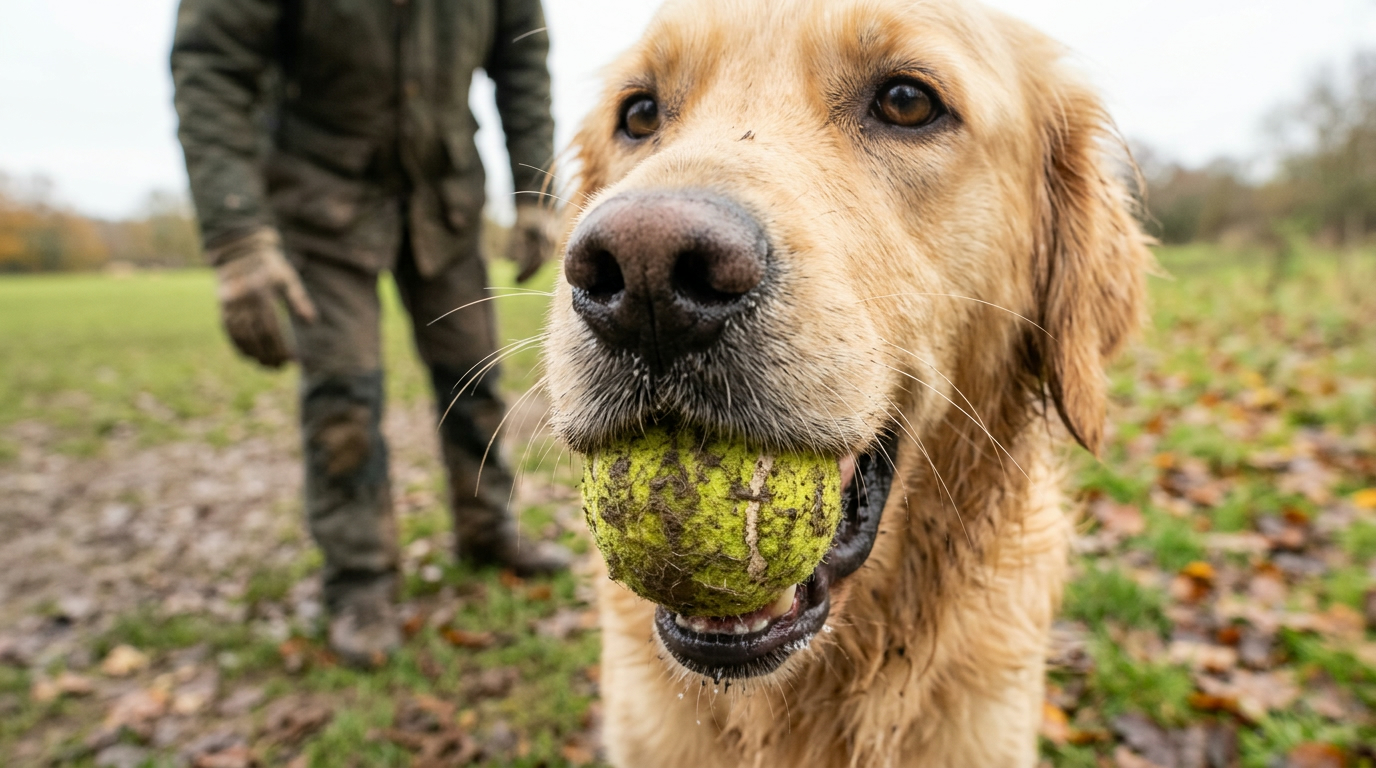
A dog who loves fetch can still pause for water, respond to familiar cues, and relax when the ball goes away. It is more concerning when your dog fixates on the ball, repeatedly demands throws, struggles to disengage, or stays wound up long after play ends; those patterns matter more than how fast your dog runs.
Check the product’s listed specifications when evaluating enthusiasm or obsession.
Featured in this guide
helping-your-dog-love-fetch-in-balance-digital-guide-for-understanding-and-managing-obsessive-fetch-behavior-what-to-do-when-fetch-becomes-obsessive-dog-training-ebook
Our team would start with short, predictable fetch sessions and end each one while your dog can still listen and move comfortably, using a consistent cue such as “all done” before putting the toy away. Between sessions, give your dog other ways to engage with you, such as sniffing walks, simple training, or a calm search for scattered treats, so fetch is not the only activity worth anticipating.
Check the product’s listed specifications when evaluating how we would bring play back into balance.
Repeated sprints, sharp turns, and jumps can be demanding, especially for puppies, older dogs, or dogs with mobility concerns, so choose a safe surface and adapt the pace and distance to your dog. If your dog seems sore, overheated, unusually distressed when play stops, or suddenly much more fixated than usual, stop the session and speak with your veterinarian about what you are seeing.
Check the product’s listed specifications when evaluating when to adjust the game.
You do not have to remove fetch altogether if your dog enjoys it; the goal is a game your dog can leave behind and a routine that includes rest and variety. For a closer look at the question, read our article on why your dog may be overly obsessed with fetch; our Helping Your Dog Love Fetch in Balance digital guide is also focused on understanding and managing obsessive fetch behavior.




Leave a comment